Guide 04 / Heart and breathing
Heart health lives in ordinary movement.
Aerobic activity asks the heart, lungs and circulation to work together. It can be structured, such as a walk, or folded into daily life through travel, errands and active household tasks.
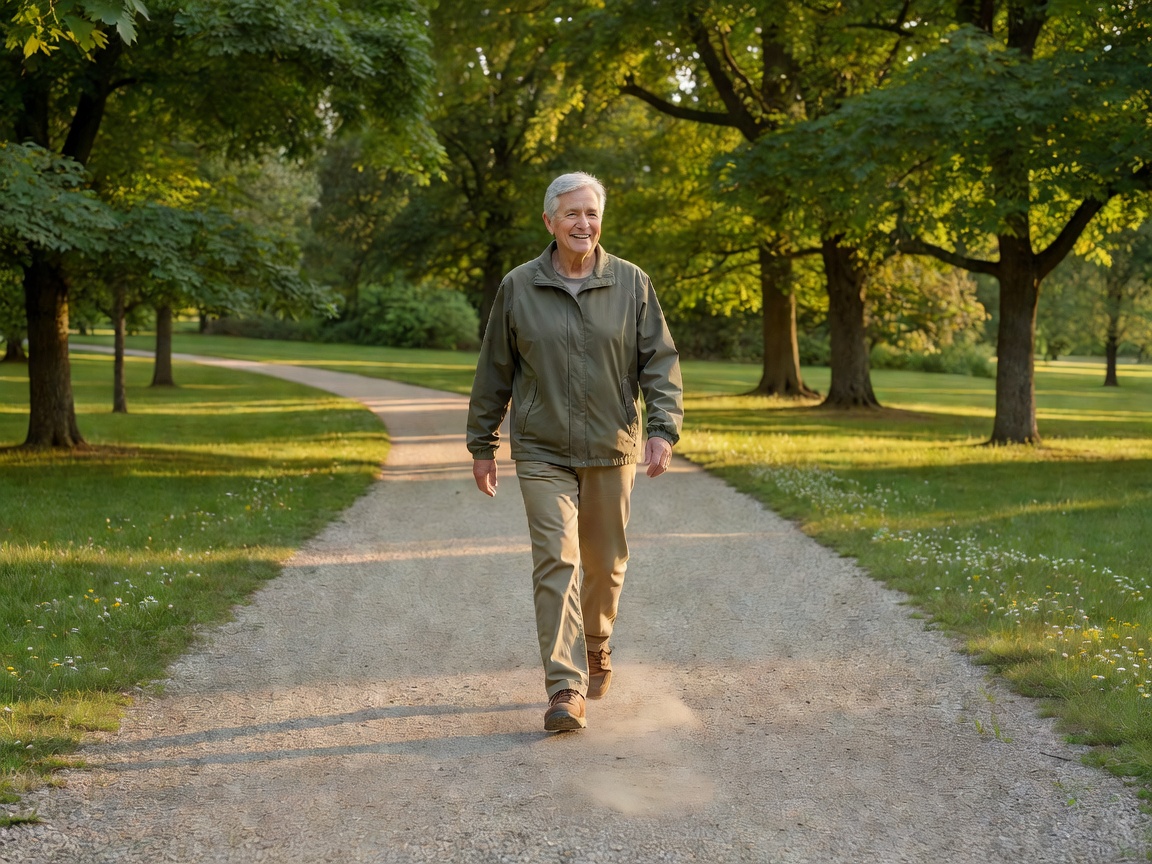
What counts as aerobic movement?
Aerobic movement uses large muscle groups repeatedly for long enough to raise breathing and circulation. Walking, cycling, dancing and water-based activity are familiar examples. The useful choice is the one that matches ability, access and enjoyment.
Intensity is personal. A pace that feels easy to one person may feel demanding to another. Breathing, heat, terrain, medication and health conditions can all change the experience, so rigid comparisons are not helpful.
Why begin gently?
A gradual return gives the body time to respond and makes it easier to notice how an activity feels. Start with a route or movement that can be stopped comfortably. Flat, familiar surroundings may feel more manageable than a steep or crowded route.
Warm up through easy movement and allow time to settle afterwards. Chest discomfort, faintness, unusual breathlessness or a sudden change in tolerance needs medical attention rather than a decision to continue.
Walking or something else?
Walking is accessible for many people, but it is not the only option. Cycling may reduce impact on some joints; water can feel supportive; dancing can add rhythm and social connection. Each option brings trade-offs involving transport, cost, balance, weather, equipment and personal preference.
Choose an activity that can be repeated and adapted. A short route with a rest option may be more useful than an ambitious plan that disappears after one difficult day.
How does it fit with other exercise?
Aerobic movement does not replace strength, mobility or balance work. It complements them. Walking may improve general movement confidence while resistance exercise addresses tasks such as lifting and rising.
If you live with heart or lung disease, have symptoms during activity or take medicines that affect exercise, seek individual guidance from a qualified professional.